
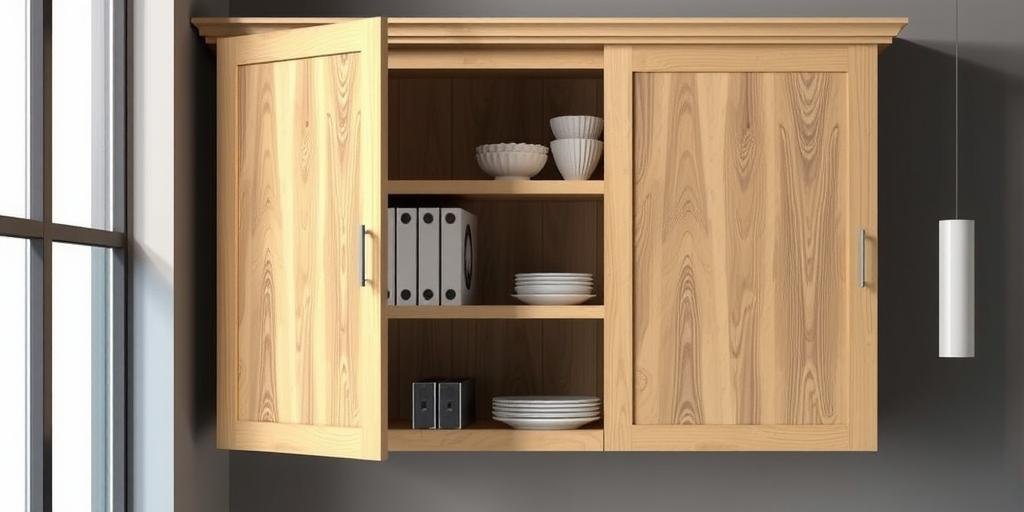
Wall cabinets are essential for kitchen and bathroom storage, but choosing the right depth ensures functionality and space efficiency. Whether you’re renovating or designing a new space, understanding standard and custom cabinet depths will help you optimize storage while maintaining a sleek look.
Standard Depth of Wall Cabinets
The most common depth for wall cabinets is 12 inches. This measurement balances storage capacity with accessibility, preventing the cabinets from protruding too far into the room.
| Cabinet Type | Standard Depth (Inches) |
|---|---|
| Kitchen Wall Cabinets | 12 |
| Bathroom Wall Cabinets | 4–7 |
| Pantry Wall Cabinets | 12–24 |
| Custom or Specialty Cabinets | Varies |
Why 12 Inches Is the Standard Depth
A 12-inch depth allows for:
- Storing plates, glasses, and pantry items without overcrowding.
- Maintaining a comfortable reach for most users.
- Preventing interference with appliances or countertop workflows.
Factors Influencing Wall Cabinet Depth
1. Room Size and Layout
In smaller kitchens or bathrooms, a shallower depth (10 inches) may improve maneuverability. Larger spaces can accommodate deeper cabinets (up to 24 inches) for added storage.
2. Purpose of the Cabinet
- Upper kitchen cabinets: Typically 12 inches deep.
- Above-fridge or oven cabinets: Often deeper (15–24 inches) to match appliance depth.
- Bathroom cabinets: Usually 4–7 inches deep due to limited wall space.
3. User Height and Reach
Deeper cabinets may be harder to access for shorter individuals. Standard depths prioritize ergonomics for average heights (5’4″–6′).
Custom Wall Cabinet Depths
For unique spaces or specialized storage needs, custom depths are an option:
- Shallow cabinets (6–10 inches): Ideal for narrow walls or displaying decor.
- Deep cabinets (14–24 inches): Useful for pantry storage or bulkier items.
Pros and Cons of Custom Depths
| Advantages | Disadvantages |
|---|---|
| Maximizes storage in awkward spaces | Higher cost than standard sizes |
| Tailored to specific organizational needs | Longer lead time for fabrication |
| Enhances aesthetic harmony in unique layouts | May reduce resale value if too unconventional |
Wall Cabinet Depth Guidelines by Location
Kitchen Wall Cabinets
In kitchens, 12-inch-deep cabinets are standard, but variations exist:
- Above the sink or stove: Often 15 inches deep to accommodate vent hoods.
- Corner cabinets: May extend to 24 inches for Lazy Susan storage.
Bathroom Wall Cabinets
Bathroom cabinets are typically 4–7 inches deep due to limited space. Medicine cabinets are often recessed into the wall to save room.
Measuring for Wall Cabinet Depth
Follow these steps to determine the ideal depth for your space:
- Measure the available wall space, accounting for doors, windows, and appliances.
- Consider the cabinet’s purpose (e.g., dish storage vs. spice racks).
- Ensure adequate clearance between the cabinet and countertop (usually 15–18 inches).
FAQ: Wall Cabinet Depth
1. Can wall cabinets be deeper than 12 inches?
Yes, but deeper cabinets may require reinforced mounting and can feel bulky in small spaces. Pantry or utility cabinets often exceed 12 inches.
2. What is the shallowest depth for a functional wall cabinet?
4 inches is the minimum for recessed bathroom cabinets. For kitchens, 10 inches is the shallowest practical depth.
3. How does cabinet depth affect installation height?
Deeper cabinets should be installed slightly higher (18–20 inches above countertops) to avoid head bumps and maintain accessibility.
4. Are European-style cabinets the same depth?
European (frameless) cabinets often use metric sizing. A standard 30cm depth (~11.8 inches) is close to the U.S. 12-inch standard.
5. Do open shelving depths differ from wall cabinets?
Yes, open shelves are often shallower (8–10 inches) to prevent items from appearing cluttered.
Conclusion
Understanding wall cabinet depth ensures your storage solutions are functional and space-efficient. While 12 inches is the standard for kitchens, custom depths can adapt to unique layouts. Always measure your space and prioritize ease of access when selecting cabinet dimensions.